DevOps with AWS
Build Your Skills in Cloud Computing, Automation & DevOps
Develop foundational and practical cybersecurity skills through structured online training covering Networking, Cyber Security, Cloud Security, Kali Linux, Python, VAPT and industry-standard security tools.
Duration:
Mode:
Instructor-Led Training.
Level:
Beginner to Intermediate
Course Overview
DevOps with AWS is a comprehensive training program designed to introduce learners to Linux system administration, AWS cloud services, DevOps practices, automation, and modern application deployment.
The curriculum covers Linux administration, AWS infrastructure, Git and GitHub, Jenkins, Maven, Docker, Kubernetes, Helm, Prometheus, and Ansible. Learners explore how these technologies work together across version control, continuous integration, deployment, container orchestration, monitoring, and infrastructure automation.
The program includes practical topics and configuration scenarios involving cloud resources, Linux systems, containers, and automation tools.
What You Will Learn
Linux Administration
Learn Linux commands, file management, user administration, permissions, disk partitioning, LVM, backup and recovery, and troubleshooting.
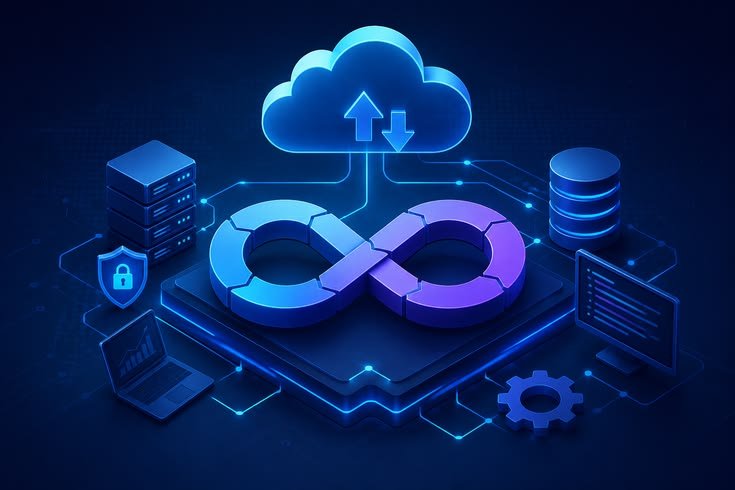
AWS Cloud Infrastructure
Explore EC2, S3, VPC, IAM, EFS, RDS, Route 53, CloudWatch, Auto Scaling, load balancing, and CloudFormation.
Git, GitHub & CI/CD
Understand repositories, branching, merging, conflict resolution, Jenkins pipelines, Maven integration, testing, and automated deployment.
Docker & Kubernetes
Work through container concepts, images, volumes, networking, clusters, deployments, services, scaling, storage, and Helm.

Automation & Monitoring
Explore Ansible playbooks, roles, variables, dynamic inventory, AWS integration, Prometheus metrics, and infrastructure automation.
Course Curriculum
Module 1 — Linux Administration
Introduction to Unix and Linux, kernel, shell and file-system structure
Basic and advanced Linux commands
Interactive, Kickstart and network-based installation
Linux boot process and directory structure
Text editing, output redirection and Vim
Software package installation, removal and updates
Disk partitioning, file systems, mounting and LVM
User and group administration
File permissions, ownership, SUID, SGID, sticky bit and ACL
Backup and recovery using dump/restore, tar and cpio
Troubleshooting passwords, GRUB, X Server and network issues
Module 2 — Amazon Web Services (AWS)
Cloud computing fundamentals and AWS global infrastructure
AWS Management Console, account settings, billing and Cost Explorer
EC2 instances, AMIs, instance types, key pairs and security groups
Linux and Windows instance launch and connection
Load balancers, health checks and configuration
CloudWatch metrics, logs, dashboards and alarms
Auto Scaling and launch configurations
Route 53 DNS, routing policies and health checks
VPC, subnets, route tables, Internet Gateway, NAT, peering and VPN
S3 buckets, lifecycle management, replication, encryption and policies
EFS configuration and shared file-system access
CloudFormation templates and stacks
IAM users, groups, roles, policies and MFA
RDS database engines, backups, snapshots and read replicas
SNS topics, subscriptions and notifications
AWS Server Migration Service concepts
Module 3 — DevOps Tools
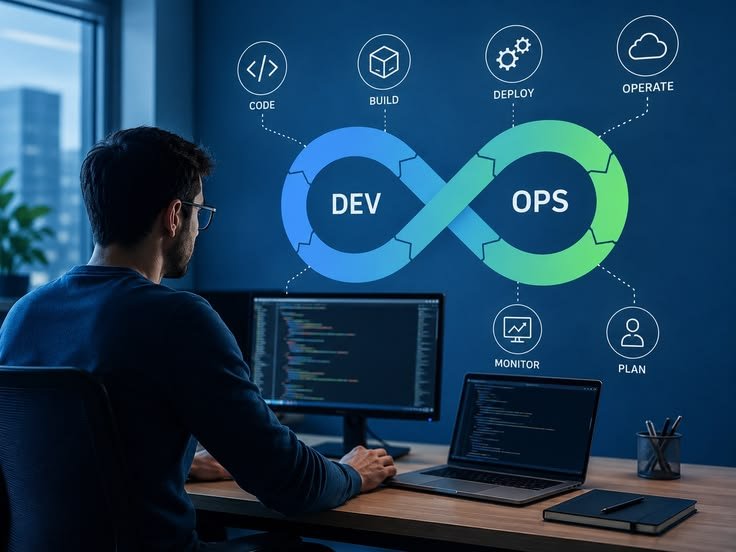
DevOps roles, responsibilities, practices and infrastructure challenges
Git/GitHub, local and remote repositories, branching and merging
Merge-conflict resolution, reset and stash
Jenkins installation, configuration and plugin management
Maven integration, testing, reports and email notifications
CI/CD pipelines and automated deployment
Jenkins integration with Git, Docker and Ansible
Docker installation, architecture, images, layers, volumes and networking
Docker Hub, registries, Docker Compose and Docker Swarm
Kubernetes architecture, clusters, pods and application deployment
Services, labels, selectors, replica sets and load balancing
Rolling updates, StatefulSets, node/pod affinity, taints and tolerations
Helm templates, releases and rollbacks
Configurations, secrets, persistent volumes and claims
Kubernetes autoscaling, Metrics Server and Prometheus
Ansible architecture, modules, inventory and playbooks
Variables, conditions, loops, handlers, templates and roles
Ansible Galaxy, Vault, dynamic inventory, Tower and AWS integration
Tools & Technologies
Linux
AWS
Git & GitHub
Jenkins
Docker
Kubernetes
Ansible
Prometheus
Maven
Who Can Join This Course?

IT professionals Interested in DevOps technologies.

Linux and system administrators.

Cloud and infrastructure professionals.
Learners looking to build knowledge of AWS cloud services.
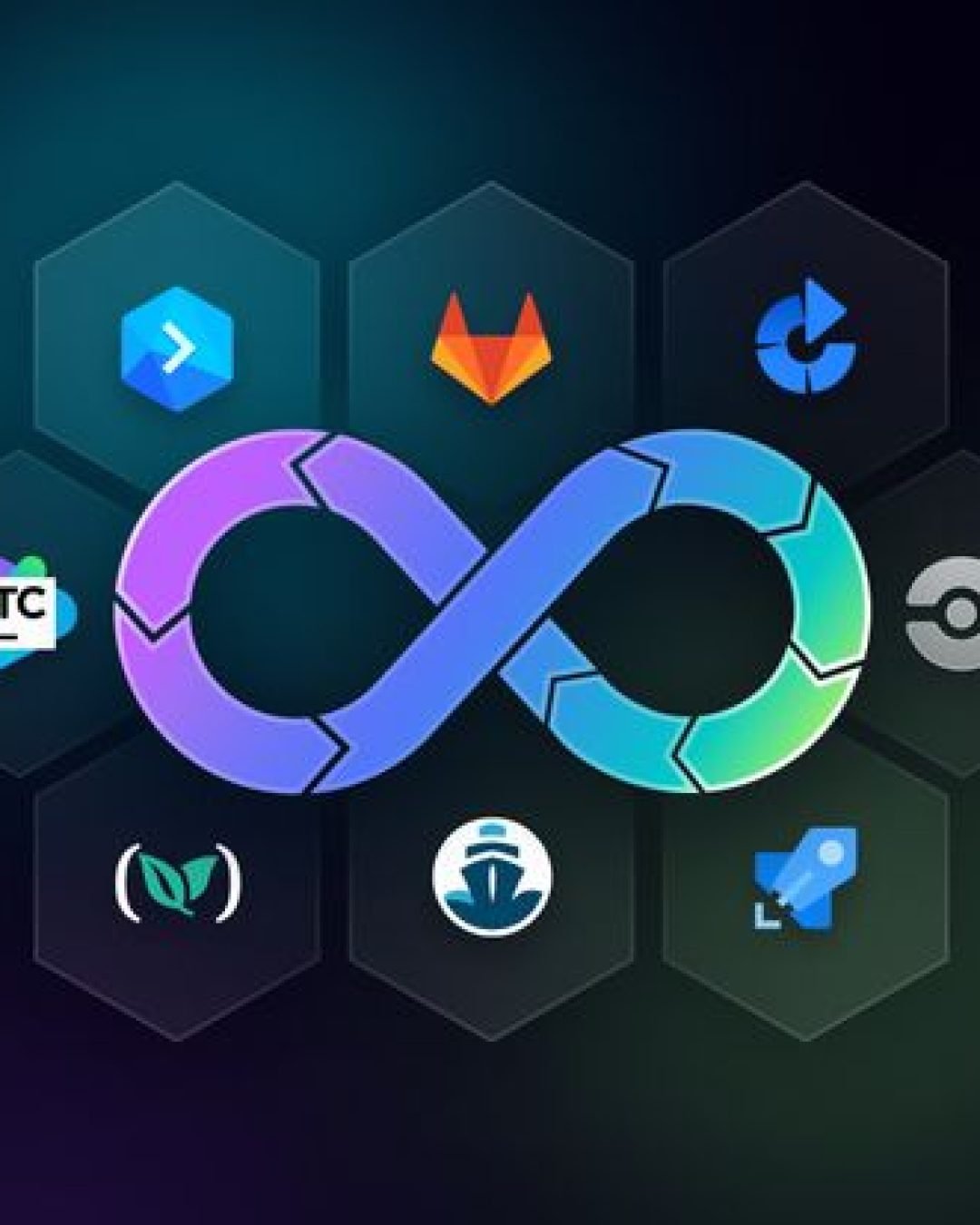
Professionals interested in CI/CD, containers and deployment automation
Learners seeking practical exposure to Docker and Kubernetes.
Skills You Will Gain
Linux system and user administration.
File permissions, storage and troubleshooting.
AWS compute, storage, networking and identity services.
Cloud monitoring and infrastructure provisioning.
Git-based version control and collaboration.
Jenkins CI/CD workflows and Maven build processes.
Docker containerization and image management.
Kubernetes deployment, scaling and orchestration.
Helm-based application configuration.
Prometheus monitoring concepts.
Ansible configuration management and automation.
Cloud infrastructure automation using AWS and Ansible.
Career Opportunities
Linux Administrator
System Administrator
DevOps Engineer
Cloud Engineer
AWS Cloud Engineer
Cloud Infrastructure Engineer
Build and Release Engineer
CI/CD Engineer
Kubernetes Administrator
Infrastructure Automation Engineer
Platform or Site Reliability-oriented roles
Frequently Asked Questions
What is the DevOps with AWS course?
It is a training program covering Linux administration, AWS cloud infrastructure, Git/GitHub, Jenkins, Docker, Kubernetes, Helm, Prometheus and Ansible.
What is the duration of this course?
The curriculum specifies 30 hours for Linux Administration and 90 hours for DevOps Tools. The AWS module duration and combined total are yet to be confirmed
Is the training available online?
Instructor-led online training is listed in the source material. Confirm the delivery mode and schedule for the current LearnCircles batch.
Which AWS services are covered?
The curriculum includes EC2, S3, EFS, VPC, IAM, CloudWatch, Route 53, Auto Scaling, Elastic Load Balancing, RDS, SNS and CloudFormation.
Will I learn Docker and Kubernetes?
Yes. The curriculum includes Docker containers, images, volumes, networking, Kubernetes architecture, deployments, scaling, storage and Helm.
Is a certificate included?
Certificate inclusion has not been confirmed for this LearnCircles course. Please enquire for the current offering details.
Does the course guarantee a job or placement?
No. The course provides training, but employment outcomes are not guaranteed and placement assistance is not available.
Will I get access to practical labs?
The curriculum includes practical configuration and deployment topics. The specific lab environment and access arrangements should be confirmed with LearnCircles.